When People Called It Play
What a simple question from Discovery testers changed about the language of the experience.
“How do I play it again?”
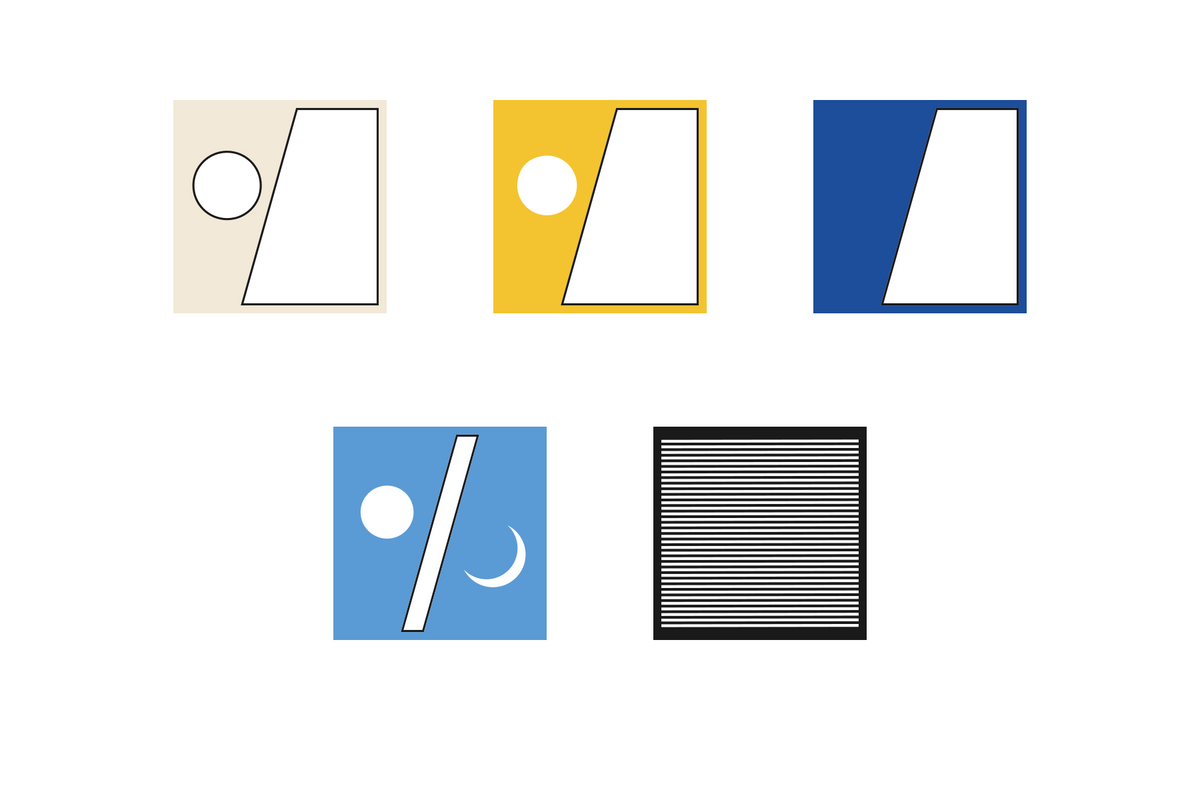
I kept hearing versions of that question from people trying Discovery. They had matched the composition, and they wanted another encounter with it. The word they reached for was play.
I had been careful about that word. Moon & Piano is a system of abstract art, and I wanted Discovery to invite attention to the work. I was concerned that the language of a game might move the emphasis toward winning, speed or performance.
The people using it gave me something useful to consider. They were describing their own experience. Play was the natural word for what they wanted to do.
Their response helped me separate the invitation from the measures we sometimes attach to it. Play can involve close attention, experimentation and patience. It can mean trying an action simply to understand what happens. It can mean returning to the same composition because the encounter is satisfying.
In Discovery, a layer turns or flips. You watch the relationships change. You try something, reconsider, and try again. There is room to be uncertain. You can study the composition before acting, or make a move and learn from what you see.

None of that requires a timer or a score.
I decided to embrace the language people were already using. Play Discovery. Play Again. Those are invitations I want someone to understand immediately. The experience can retain its quiet character while making room for that directness.
The request to play again was especially interesting. Repetition can change the encounter. On a second attempt, you may recognize a relationship you missed earlier, choose another starting point, or notice how much more deliberately you are looking. The composition stays the same. Your familiarity with it grows.

I do not want to prescribe a single way to participate. Someone may approach Discovery as a visual challenge. Someone else may enjoy the movements and changing arrangements. Another person may pause over the resolved image. Each is spending time with the work.
Listening to testers reminded me that an artist can establish the conditions of an experience without deciding every meaning people will find in it. Their language is worth hearing, especially when it identifies something the work already makes possible.
For Moon & Piano, play gives attention a place to begin. It invites a person to act, observe, and return. I want the language of Discovery to welcome that possibility.